

Chicken of the Woods Mushroom
$30.00
Nestled high in the canopy of deciduous and coniferous forests, the Chicken of the Woods mushroom is a striking and flavorful fungi that has captured the attention of foragers, chefs, and nature enthusiasts alike. Its vibrant appearance and culinary versatility make it a true gem of the mushroom world.
Chicken of the Woods Mushroom: Nature’s Ornamental and Edible Treasure
Nestled high in the canopy of deciduous and coniferous forests, the Chicken of the Woods mushroom is a striking and flavorful fungi that has captured the attention of foragers, chefs, and nature enthusiasts alike. Its vibrant appearance and culinary versatility make it a true gem of the mushroom world.
Appearance and Identification
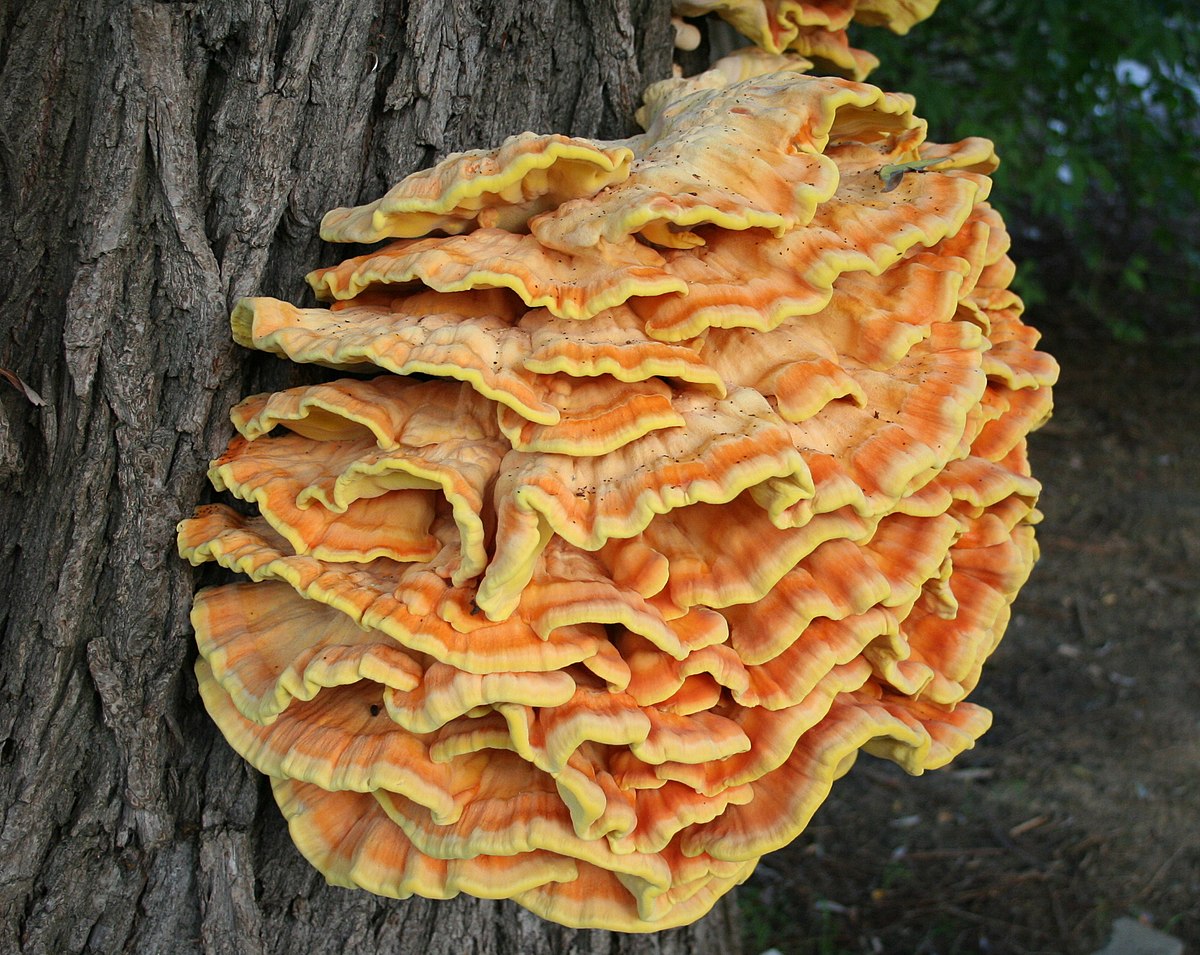
The Chicken of the Woods (Laetiporus sulphureus) is renowned for its eye-catching, shelf-like clusters that resemble the fiery plumage of a chicken. Typically, it sports bright orange to yellow hues, with some variations showing shades of pink or white. The fruiting body grows in layered, overlapping shelves, often spreading out from tree trunks or stumps.
Key identification features include:
- Bright orange to yellow color
- Soft, fleshy texture when young
- A shelf or bracket shape, sometimes with a wavy margin
- Fine pores or tubes underneath the cap (rather than gills)
Habitat
This mushroom primarily grows on hardwood trees such as oak, cherry, and beech, but can also be found on conifers. It prefers mature, decayed wood, thriving in temperate forests across North America, Europe, and Asia. The Chicken of the Woods is usually found from late summer through fall, forming large, conspicuous clusters.
Culinary Uses
Despite its striking appearance, the Chicken of the Woods is prized as an edible delicacy. Its texture is often compared to chicken meat, hence the name, and it has a mild, slightly sweet flavor. When cooked, it becomes tender and absorbs flavors well, making it a versatile ingredient for stir-fries, soups, and vegetarian dishes.
Harvesting and Preparation
- Always ensure correct identification before harvesting, as some lookalikes may be inedible or toxic.
- Young specimens are preferable as they are more tender.
- Remove the tough, woody parts and cook thoroughly to eliminate any potential toxins or contaminants.
- Popular cooking methods include sautéing, baking, or frying.
Precautions
While generally safe, some individuals may experience allergic reactions or gastrointestinal upset. It’s advisable to sample a small portion first and consult an expert if unsure about identification.
Ecological Role
As a saprotrophic fungus, the Chicken of the Woods plays a vital role in forest ecosystems by decomposing dead wood and recycling nutrients back into the soil. Its presence indicates decaying timber, which is crucial for forest health.
Conclusion
The Chicken of the Woods mushroom is a fascinating blend of beauty, utility, and ecological importance. Whether admired in the wild or enjoyed in the kitchen, it exemplifies the wonders of nature’s fungi and the importance of sustainable foraging practices.
Be the first to review “Chicken of the Woods Mushroom”
Related products

Dried Mushrooms

Reviews
There are no reviews yet.