

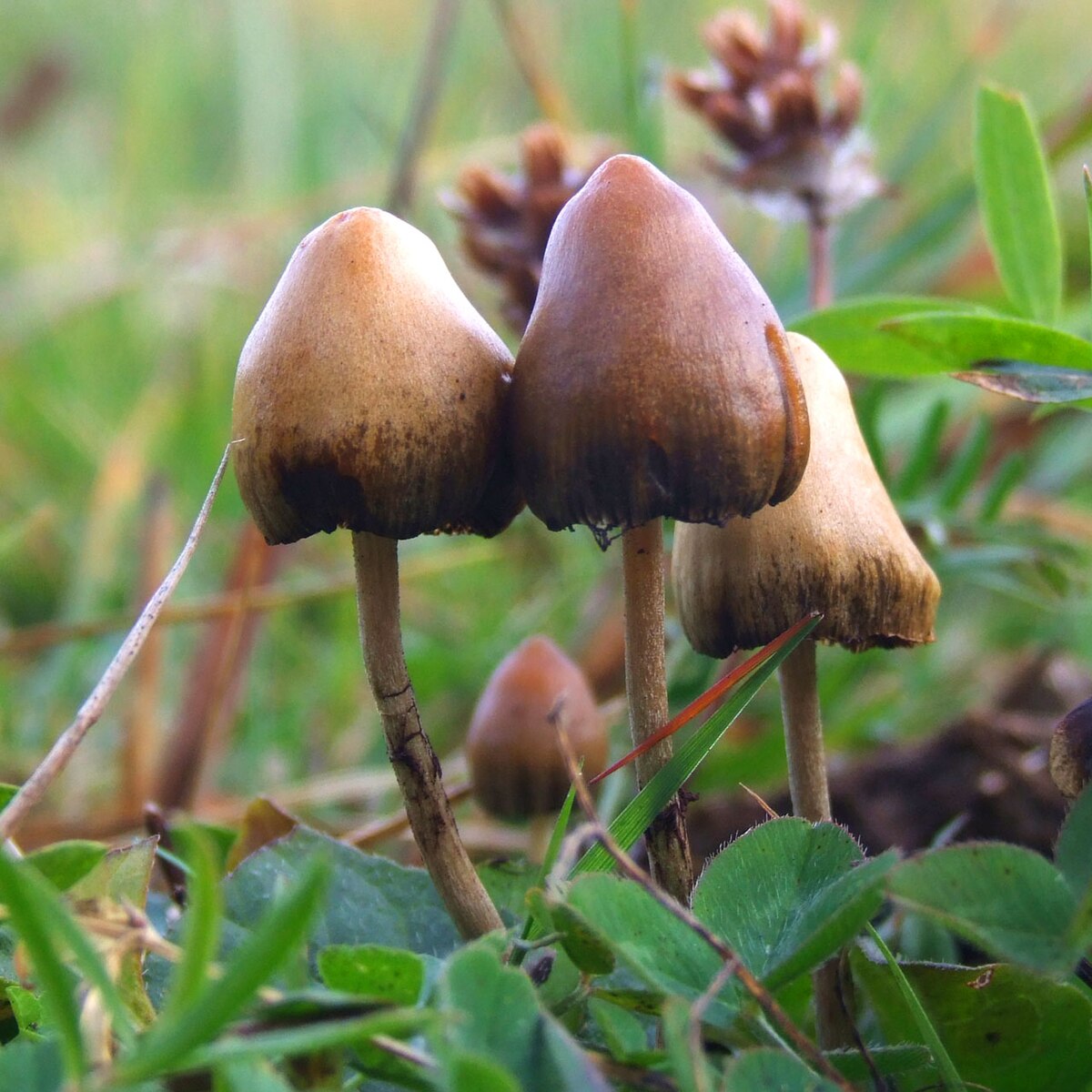
Mexican Mushrooms (200g)
$70.00
- Huitlacoche (Corn Smut): Though technically a fungus that infects corn, huitlacoche is considered a delicacy. It has a earthy, smoky flavor and is used in quesadillas, soups, and sauces.
- Oyster Mushrooms (Pleurotus spp.): Cultivated widely in Mexico, they are prized for their tender texture and mild flavor.
- Morel Mushrooms: Wild and highly prized for their nutty taste, they grow in Mexican forests during spring.
- Chanterelles: Found in forests, these mushrooms are valued for their aroma and flavor, often used in gourmet dishes.
- Psilocybin Mushrooms: Known as “magic mushrooms,” certain species grow naturally in Mexico and have a long history of traditional and spiritual use among indigenous communities.
Buy Fresh Mexican Mushrooms
Mexican mushrooms are a diverse and vital part of Mexico’s rich culinary and cultural heritage. They encompass a variety of wild and cultivated fungi, each with unique flavors, textures, and traditional uses. Here’s an overview of their significance:
Types of Mexican Mushrooms:
- Huitlacoche (Corn Smut): Though technically a fungus that infects corn, huitlacoche is considered a delicacy. It has a earthy, smoky flavor and is used in quesadillas, soups, and sauces.
- Oyster Mushrooms (Pleurotus spp.): Cultivated widely in Mexico, they are prized for their tender texture and mild flavor.
- Morel Mushrooms: Wild and highly prized for their nutty taste, they grow in Mexican forests during spring.
- Chanterelles: Found in forests, these mushrooms are valued for their aroma and flavor, often used in gourmet dishes.
- Psilocybin Mushrooms: Known as “magic mushrooms,” certain species grow naturally in Mexico and have a long history of traditional and spiritual use among indigenous communities.
Cultural Significance:
- Mushrooms have been part of Mexican indigenous diets for centuries, especially among the Aztecs and Mayans.
- Huitlacoche is often called the “Mexican truffle” and symbolizes the ingenuity in using all parts of a crop.
- Psilocybin mushrooms are used in shamanic rituals for spiritual insights and healing.
Culinary Uses:
- Mushrooms are incorporated into tacos, tamales, soups, and stews.
- Huitlacoche is sometimes sautéed with onions and chilies, then added to tortillas or served as a filling.
- Wild varieties like morels and chanterelles are foraged and used in upscale dishes.
Conservation and Foraging:
- Foraging for wild mushrooms in Mexico requires expertise due to the presence of toxic species.
- Sustainable harvesting practices are important to preserve native mushroom populations and ecosystems.
Summary:
Mexican mushrooms are more than just ingredients—they are an integral part of cultural identity, spiritual practices, and culinary tradition. Their diversity reflects Mexico’s varied ecosystems, from forests to cultivated fields, making them a fascinating subject for both gastronomic and cultural exploration.
Be the first to review “Mexican Mushrooms (200g)”
Learn About our shipment
Related products
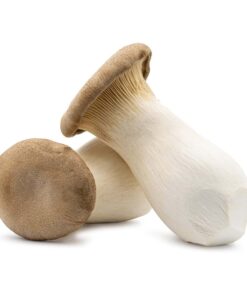
Dried Mushrooms
Price range: $20.00 through $280.00
This product has multiple variants. The options may be chosen on the product page
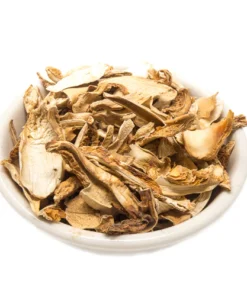

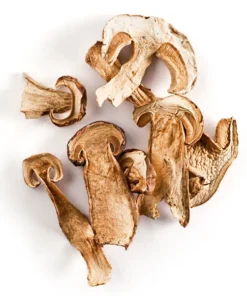
Dried Mushrooms
Price range: $25.00 through $300.00
This product has multiple variants. The options may be chosen on the product page
Reviews
There are no reviews yet.