

Hawaiian Mushroom (1kg)
$230.00
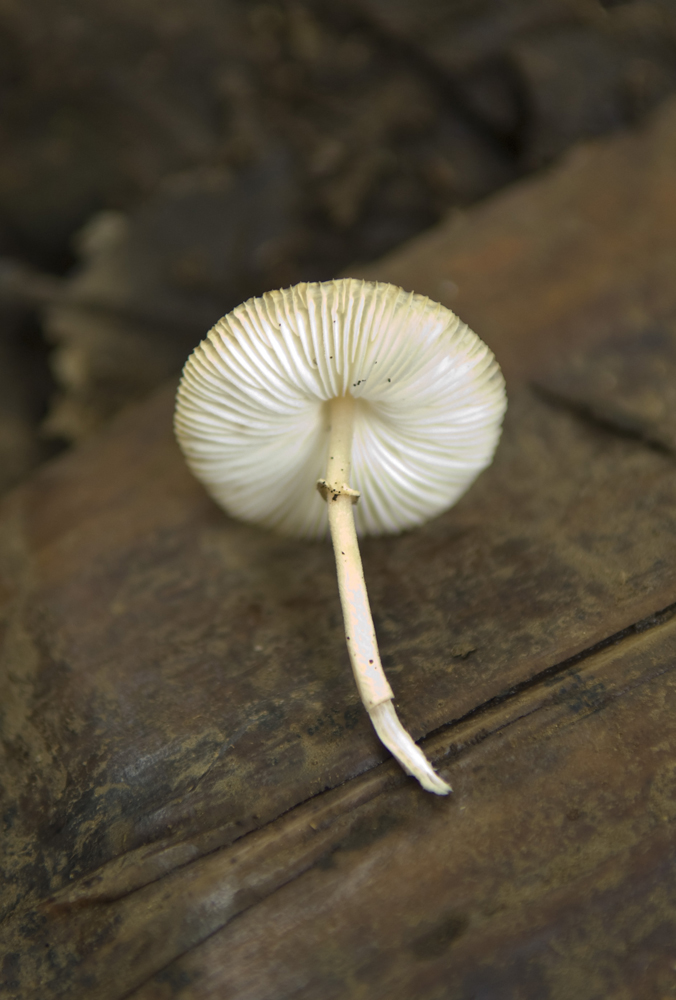
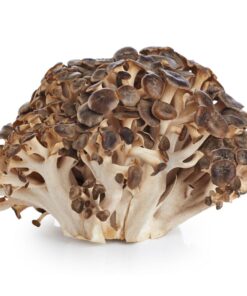
Hawaiian Mushrooms come in a variety of shapes, sizes, and colors. Many display vibrant hues—ranging from bright yellows and oranges to deep reds and purples—that contrast beautifully against the green backdrop of Hawaiian forests. The caps are typically smooth and convex, often with a slight gloss, while the gills underneath are delicate and closely spaced.
Hawaiian Mushroom: A Unique Fungal Treasure of the Islands
Hawaiian Mushroom Nestled within the lush, tropical landscapes of Hawaii, the Hawaiian Mushroom is a fascinating and lesser-known fungi that embodies the island’s rich biodiversity and ecological complexity. Unlike common mushrooms found in temperate forests, Hawaiian Mushrooms have adapted to the unique climate and volcanic soil, creating a distinctive and intriguing species that has captivated mycologists and nature enthusiasts alike.
Origins and Habitat
Hawaiian Mushrooms thrive in the humid, volcanic environments of the Hawaiian Islands. They are often found growing on decaying wood, fallen leaves, and in the rich, volcanic soil that blankets the islands. The island’s tropical climate—characterized by warm temperatures and frequent rainfall—provides an ideal habitat for these fungi to flourish throughout the year.
Characteristics and Appearance
Hawaiian Mushrooms come in a variety of shapes, sizes, and colors. Many display vibrant hues—ranging from bright yellows and oranges to deep reds and purples—that contrast beautifully against the green backdrop of Hawaiian forests. The caps are typically smooth and convex, often with a slight gloss, while the gills underneath are delicate and closely spaced.
Ecological Role
These mushrooms play a vital role in Hawaii’s ecosystem. They are decomposers, breaking down organic matter such as fallen leaves and dead wood, thus recycling nutrients back into the soil. This process supports the lush plant life that makes Hawaii so visually stunning. Additionally, some Hawaiian Mushrooms form symbiotic relationships with native plants, aiding in their nutrient absorption.
Cultural Significance
While not as prominent as other native Hawaiian plants and animals, certain species of Hawaiian Mushrooms are part of traditional practices and local lore. Some tribes and communities have historically used specific fungi for medicinal purposes or in spiritual rituals, emphasizing the deep connection between the islands’ natural resources and their cultural heritage.
Challenges and Conservation
Like many native species, Hawaiian Mushrooms face threats from habitat destruction, invasive species, and climate change. Preservation efforts focus on protecting native forests and educating the public about the importance of fungi in Hawaii’s ecosystem. Researchers continue to study these fungi, hoping to uncover potential medicinal compounds and sustainable uses.
Conclusion
The Hawaiian Mushroom is more than just a fascinating fungus; it is a symbol of the islands’ vibrant natural heritage. Its unique adaptations and ecological contributions highlight the intricate web of life that sustains Hawaii’s environment. As we continue to explore and understand these mushrooms, we deepen our appreciation for the delicate balance of nature in this tropical paradise.
Be the first to review “Hawaiian Mushroom (1kg)”
Related products
Dried Mushrooms
Dried Mushrooms
Fresh Mushrooms
Dried Mushrooms
Reviews
There are no reviews yet.