
DMT Pill
Price range: $140.00 through $400.00
| Formula | C14H18N2O2 |
|---|---|
| Molar mass | 246.310 g·mol−1 |
| 3D model (JSmol) |
DMT Pill: An Overview
What is DMT?
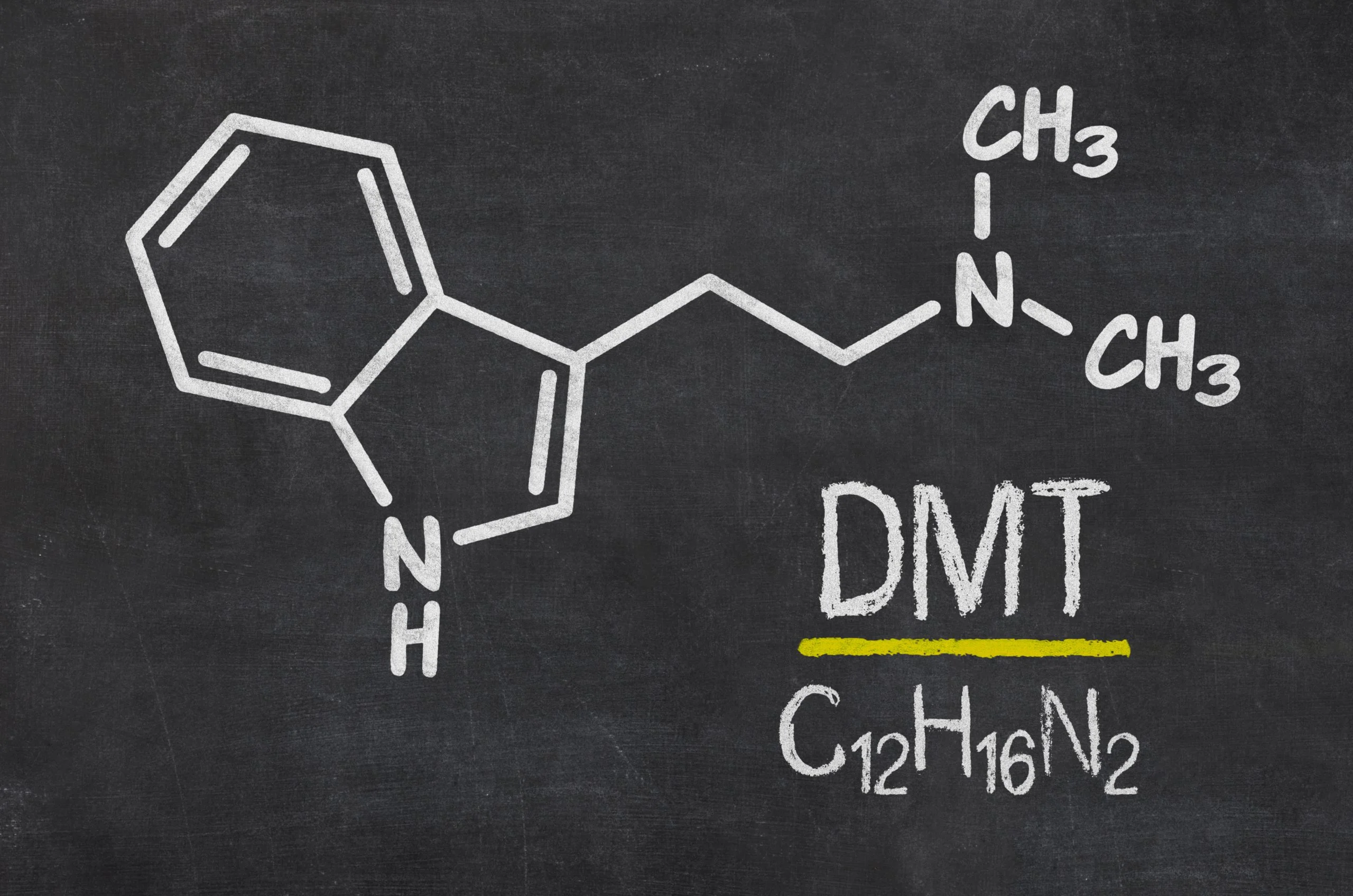
Dimethyltryptamine (DMT) is a powerful naturally occurring psychedelic compound found in various plants and animals. Known for its intense and short-lived visionary experiences, DMT is often called the “spirit molecule” due to its profound effects on consciousness.
DMT in Its Traditional and Modern Forms
Traditionally, DMT is consumed by smoking or vaporizing plant extracts like *Chacruna* or *Mimosa hostilis*, or brewed in a traditional Amazonian brew called ayahuasca. In recent times, some individuals have sought to take DMT in pill form, though this is less common and often associated with unregulated or illicit sources.
DMT Pills: What Are They?
– Form and Composition: DMT pills are typically pressed tablets or capsules that claim to contain DMT. However, because DMT is a powerful psychoactive substance, pills sold on the black market may be adulterated or contain other substances.
– Legality: In many countries, DMT is a Schedule I controlled substance, making possession or distribution illegal. Pills labeled as DMT are often illicit and pose legal risks.
Effects of DMT
– Intense Visuals: Vivid, often geometric or otherworldly visuals.
– Altered Perception: Changes in the perception of time, space, and self.
– Emotional Experience: Feelings of euphoria, spiritual awakening, or fear.
– Duration: When smoked or vaporized, effects last about 15-30 minutes; oral ingestion (like in ayahuasca) can last several hours.
Risks and Precautions
– Mental Health Risks: Can trigger anxiety, paranoia, or psychosis in vulnerable individuals.
– Physical Risks: While generally considered safe in controlled environments, risks increase with unregulated substances or adulterants.
– Legal Risks: Possession and distribution can lead to legal consequences.
Summary
DMT pills are a form of a highly potent psychedelic substance that is often obtained illegally. They promise intense visionary experiences but carry significant legal, health, and safety risks. Due to the strength of DMT’s effects, it is recommended that usage be approached with caution, awareness, and understanding of the legal implications.
4-Acetoxy-N,N-dimethyltryptamine (4-AcO-DMT or 4-acetoxy-DMT), also known as O-acetylpsilocin or psilacetin, is a psychedelic drug of the tryptamine family related to psilocybin and psilocin.[1][2][3][4] It is a synthetic derivative of psilocin (4-HO-DMT) in which the hydroxyl group has been acetylated, and is the analogue of psilocybin (4-PO-DMT) in which the phosphate ester has been replaced with an acetate ester.[1][2][3] The drug is a prodrug of psilocin and is orally active similarly to psilocybin.[1][2][5]
As a prodrug of psilocin, 4-AcO-DMT acts as a non-selective serotonin receptor agonist, including of the serotonin 5-HT2A receptor.[1][6] The hallucinogenic effects of psilocin are thought to be mediated by activation of this receptor, although other receptors also contribute to its effects.[7][8][1]
4-AcO-DMT’s effects are reported to be similar to those of psilocybin and psilocybin mushrooms.[2][5][1] However, it has been said to have reduced side effects such as nausea and body load that can be caused by ingestion of whole psilocybin mushrooms.[2][5][1] It is also said to have a faster onset and shorter duration than psilocybin.[5] The drug is not expected to differ from psilocybin or psilocin in terms of safety.[1] 4-AcO-DMT is modestly less potent by weight than psilocybin in animals when they are given at equimolar doses.[2]
4-AcO-DMT was first described in a patent by Albert Hofmann in 1963 and its chemical synthesis was improved by David E. Nichols and colleagues in 1999.[2][6][3] It was suggested by Nichols as a more economical and accessible alternative to psilocybin for use in scientific research, as the synthesis of psilocybin is more challenging and as psilocybin is a controlled substance.[2][6][3] 4-AcO-DMT was first detected as a designer drug in Europe in 2009.[6]
It became increasingly prevalent as a recreational drug in the 2010s and has been the most commonly used novel tryptamine.[2][5] In the 2020s, 4-AcO-DMT became widely encountered in the form of mushroom edibles in the United States as an alternative to psilocybin.[9][10][11][12] Relatedly, it has sometimes been referred to as “synthetic shrooms“.[4] Mushrooms edibles may contain 4-AcO-DMT, Amanita muscaria mushroom constituents, or non-mushroom drugs such as bath salts, and have been linked to poisonings and deaths.[13][4][12][9]
| Quantity | 100 pills, 150 pills, 200 pills, 300 pills |
|---|
Be the first to review “DMT Pill”
Related products


Reviews
There are no reviews yet.