

Lacquered Bracket (Polyporus lacqueroides)
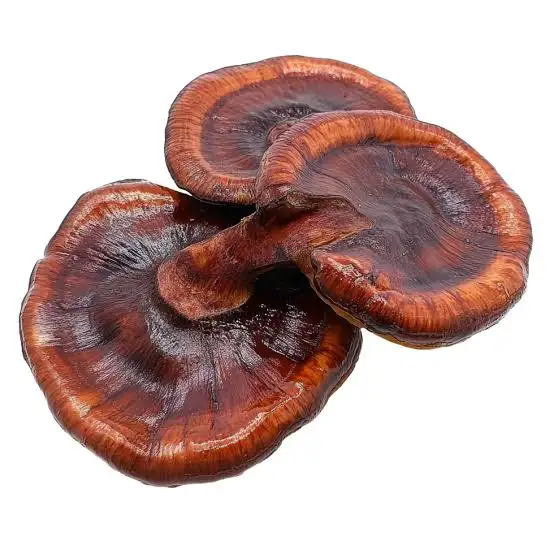
The lacquered bracket mushroom is a striking fungus renowned for its glossy, lacquer-like appearance and distinctive growth form. It belongs to the Polyporaceae family and is commonly found growing on decaying hardwoods, especially fallen logs and tree stumps.
Appearance:
This mushroom features a semicircular to fan-shaped cap, typically ranging from 5 to 15 centimeters across. The surface of the cap is smooth and highly polished, resembling a lacquered surface—hence the name. Its coloration varies from deep mahogany to a rich, dark brown, often with subtle reddish or purplish hues. The edges of the cap are often slightly curved and may display a lighter, almost cream-colored margin. Lacquered Bracket
The underside of the bracket is densely packed with tiny pores instead of gills, which are white or pale cream when fresh. These pores are small and round, allowing for efficient spore dispersal.
Texture and Composition:
The surface of the lacquered bracket mushroom is firm and woody, with a dense, tough texture that makes it durable. Its shiny appearance is due to a natural varnish-like coating that develops as the mushroom matures. The interior flesh is tough and fibrous, often used as a natural splint or for decorative purposes when dried. Lacquered Bracket. Lacquered Bracket.
Habitat:
This fungus thrives in temperate forests, especially in areas rich in deciduous trees. It plays a vital role in wood decay, breaking down lignin and cellulose to recycle nutrients back into the ecosystem. It is perennial, with new growth appearing annually on the same substrate.
Uses and Cultural Significance:
While not typically edible due to its tough texture, the lacquered bracket mushroom is appreciated in woodworking and artistic crafts. Its glossy appearance makes it a popular specimen for natural art, and dried specimens are sometimes used in traditional decorations or jewelry.
Conservation:
Like many wood-decay fungi, its presence indicates a healthy forest ecosystem, but overharvesting and habitat loss threaten its populations in some regions.
Be the first to review “Lacquered Bracket”
Related products

Dried Mushrooms

Dried Mushrooms

Reviews
There are no reviews yet.